.svg)
.svg)


From Gaming Champion to Trading Champion
Built for Champions
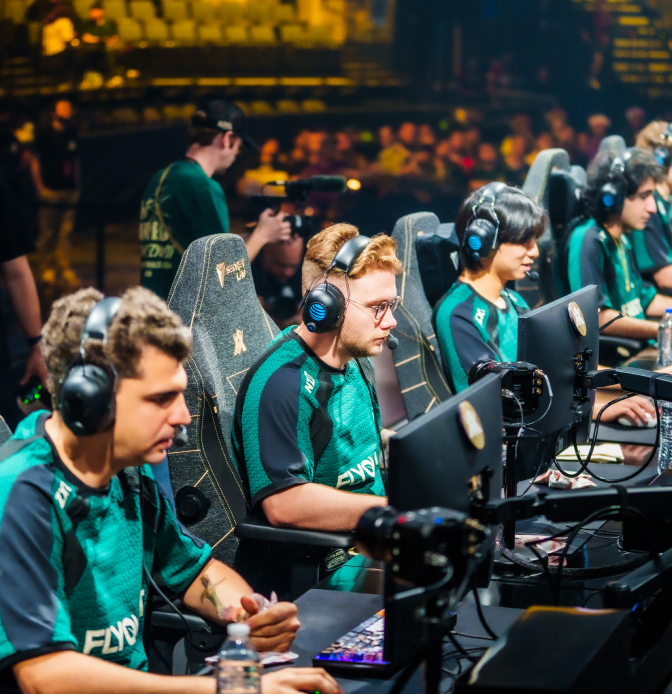
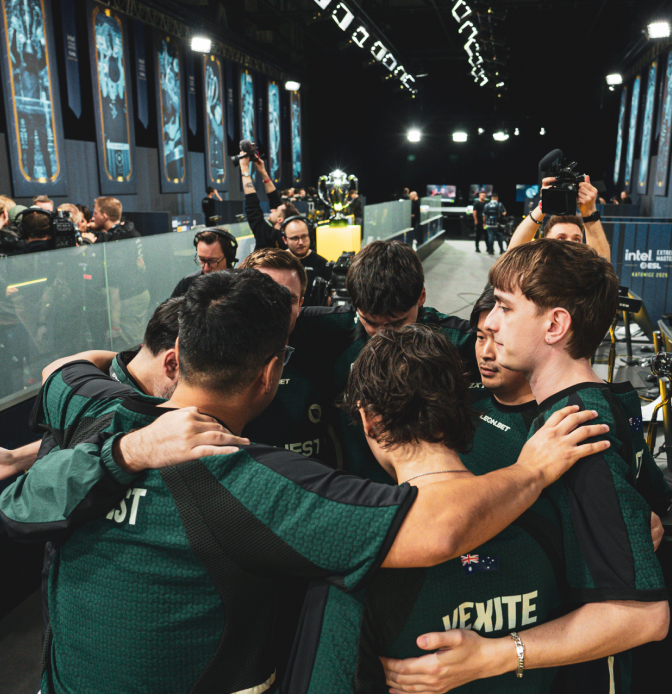
FlyQuest's elite performance across the gaming scene demonstrates the same competitive mindset that drives successful trading






What Exactly Is Prop Trading?
Prop trading (proprietary trading) is when you trade with a firm's capital instead of your own money.
Think of it like joining a professional esports org - they provide the resources, you provide the skill.
Pass Evaluation
Pass trading challenges to prove your skills
Like playing matchmaking to hone your abilities and rank up
Get Funded
After passing eval, trade futures on a simulator but earn real payouts
Like joining an amateur team - grind and fight for your earnings
Go Pro
Earn enough payouts and join Tradeify Live - trade our capital, take home 90% of profits.
Like signing with a professional esports org

But What Are Futures?
The markets where prop traders compete
Futures are contracts to buy or sell assets at a future date and price. You're essentially making a judgement on whether something will go up or down and you can profit from both directions.
Going Long (Buying)
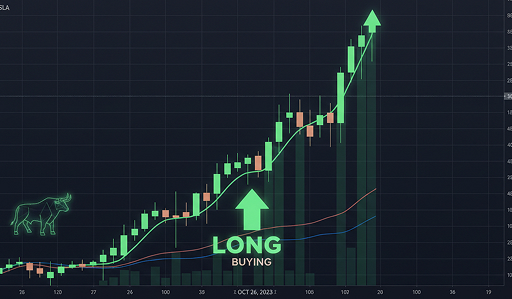
You believe the price will go UP. Like speculating on your team securing Elder Drake and closing out the game, or your team winning pistol round and snowballing the half.
Going Short (Selling)
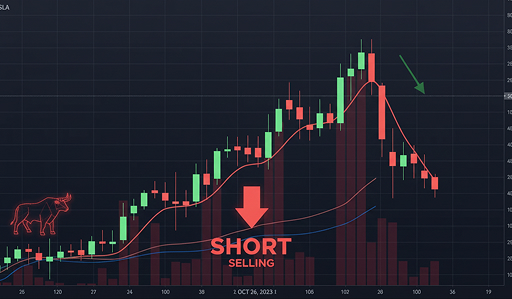
You believe the price will go DOWN. Like playing for picks when behind, or eco-fragging in Valorant to drain enemy economy, profiting from their weakness.

Gamers Excel at Trading
Your competitive skills translate directly


Pattern Recognition
In Gaming: Reading jungle pathing in League, predicting CS/Valorant rotations, recognizing team compositions
In Trading: Reading chart patterns, identifying trends, recognizing market setups

Risk Management
In Gaming: Managing economy in pistol rounds, knowing when to recall in League, deciding when to force buy
In Trading: Position sizing, setting stop losses, knowing when to cut losses

Mental Discipline
In Gaming: Staying calm in clutch situations, not tilting after a Baron throw or lost spike plant, playing for the long-term climb
In Trading: Emotional control, sticking to your strategy, not revenge trading
Traders Choose Tradeify
See how we stack up against other prop firms


.svg)

Futures Foundations


A team of 40 serving 80,000+ traders
 1. Trade with others’ capital4:30
- 2. What is Trading4:30
- 3. Why Futures4:30
- 4. Funded Accounts4:30
- 5. Misconceptions & Fears4:30
- 6. Terms and lingoSign up to watch 🔒
- 7. Choosing a planSign up to watch 🔒

- LESSON 1
Trade with others’ capital
- LESSON 2
What is Trading
- LESSON 3
Why Futures
- LESSON 4
Funded Accounts
- LESSON 5
Misconceptions & Fears
Why prop firms
Traditional prop firms have been around for decades on Wall Street — they're companies that trade with their own capital and hire skilled traders to manage it. But here's the problem: getting hired at a Wall Street prop firm usually requires years of experience, connections, or an expensive finance degree.
That's where modern prop firms like Tradeify come in. We've democratized this model.
Instead of needing a Wall Street background, anyone can take our skills-based challenge. Pass it, and you get access to our capital — just like those Wall Street traders.

FAQs
What’s the difference between futures and the stock market?
Futures are a way to predict the movement of the “normal” funds. For example, if you think the S&P is going to have a positive movement, futures allows you to trade the relative contracts. A futures contract is a stipulation to buy or sell at a later point in time, similar to options.
What is a prop firm?
A prop firm, otherwise known as a “proprietary firm”, allows you to trade the futures market WITHOUT using your own money. The most you can lose is what you pay for the account. A prop firm provides you with simulated money to start, until you prove over a period of time that you have the skills deserving of real cash – but this comes later. Imagine being able to trade with $150,000 without actually having it!
Can I lose more than my initial investment?
No. The most you can lose is what you paid for the account. Trades run in a simulated account, so losses never touch your other funds.
Can I trade on mobile?
We recommend trading on your personal computer, however the website is accessible via mobile. There is no app at this moment in time.
What hours are futures open?
Futures are tradable from Sunday at 6PM ET until Friday at 5PM ET. There is a daily break from 4-5PM ET, and futures are closed all day Saturday.
What's tradable on the futures market?
You can trade many available symbols! Common ones include NMU (Nasdaq), ESU/ETU (S&P), GCZ (Gold) and so much more!
Definitions
Trading Hours:
Sunday 6PM ET until Friday 5PM ET, with daily one (1) hour breaks at 5PM ET.
Micros and Minis:
In simple terms, micros are smaller versions of minis – risk less, but also earn less.
Max contracts:
The MAXIMUM amount of contracts you can place on one (1) single trade.
Daily loss limit:
The MAXIMUM amount of money you can lose in one (1) single day before your account is put on hold / paused until the next trading day.
Trailing max drawdown
The MAXIMUM amount of money you can lose on the account before the account is failed. This scales up based on the current value of your account and is verified at the end of the trading day.
Min Trading Days to Payout:
The MINIMUM amount of days you must place trades on in order to request a payout.
Consistency:
Requires traders to spread their profits relatively evenly across their trading days, rather than making the majority of profits in just one or two trades or days.

Gamers and Traders are One and the Same
- Exclusive discounts
- Season giveaways