.svg)

.svg)
.svg)




Micro futures are one-tenth the size of the related mini contract. Micros give you smaller dollar risk per contract and finer position-sizing control, which suits smaller accounts and traders still building consistency. Minis give you more exposure per contract with the same tick size, which suits strategies that need fewer contracts and can absorb larger tick-to-tick swings.
Table of Contents
Micro vs Mini Quick Comparison
| Decision factor | Micro futures | Mini futures |
|---|---|---|
| Contract size | Smaller exposure per contract | Larger exposure per contract |
| S&P 500 example multiplier | $5 × index | $50 × index |
| Minimum tick | 0.25 index points | 0.25 index points |
| Tick value (S&P 500 example) | $1.25 | $12.50 |
| Best fit | Smaller risk budgets, newer traders, finer scaling | Larger per-contract exposure with fewer contracts |
This article answers the broad comparison first. Tradeify-specific rules come later so the search intent is satisfied before platform-specific details.
Micro vs Mini Futures: Start With the Exposure Difference
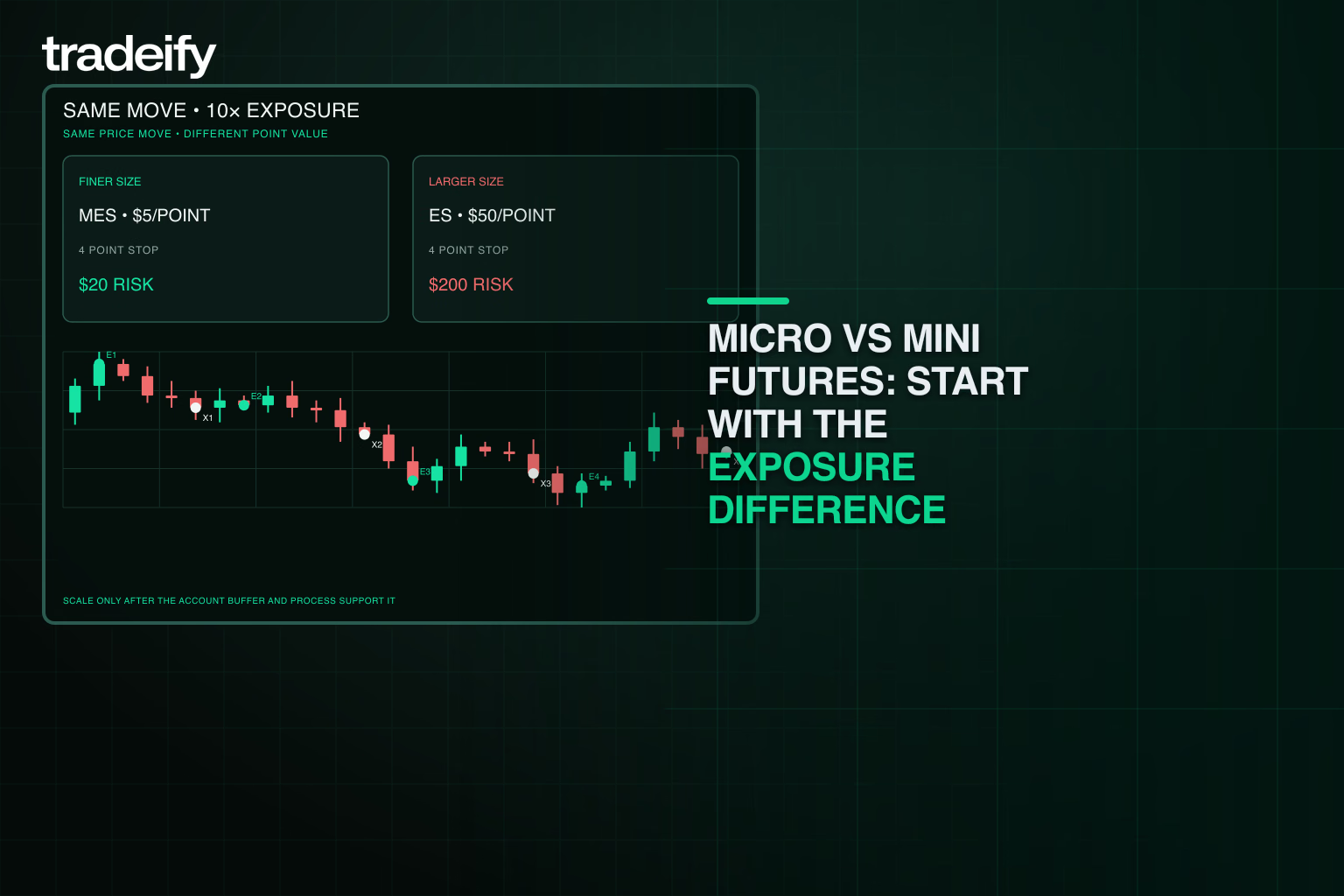
The micro contract is one-tenth the size of the related mini contract. Same tick size, same minimum price increment, much smaller dollar value per tick. That single difference is what drives the rest of the decision: how much each tick is worth, how a stop translates into dollars, and how precisely you can scale a position.
If you want background on how contract size interacts with discipline and drawdown control, see Tradeify’s guides on trader psychology, blown-account recovery, and choosing the right funded trading account.
The Basics of Micro vs E-Mini Futures Comparison
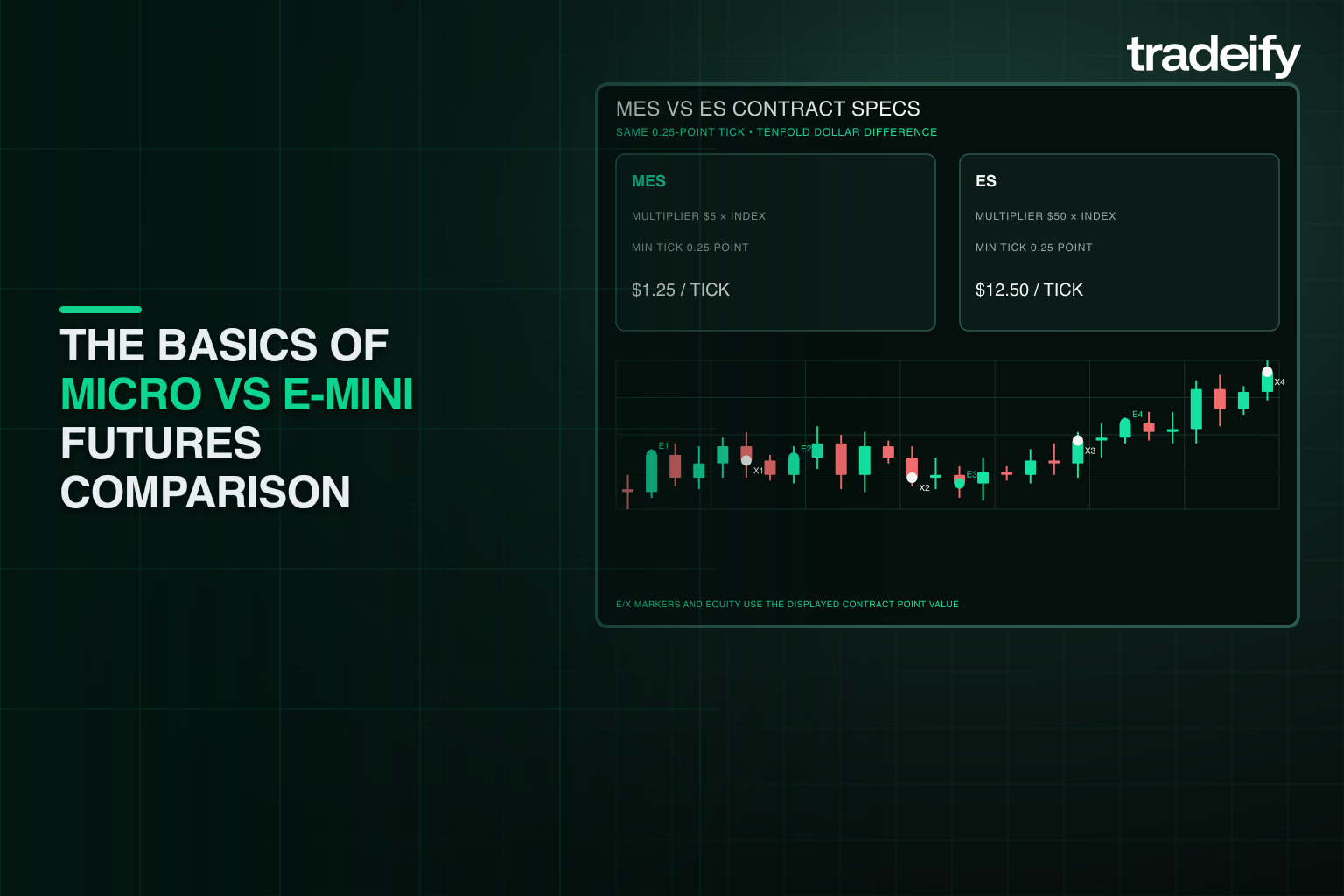
The Chicago Mercantile Exchange lists both E-mini contracts and smaller Micro E-mini contracts for major equity indexes. In the S&P 500 example, the micro contract multiplier is one-tenth of the E-mini multiplier. That smaller size is what makes micros easier to use for precise risk control.
New to the asset class? Start with the basics of futures trading before deciding which contract size belongs in your plan.
Who Should Trade Micros vs Minis?
Use this framework to match the contract type to your account size, risk tolerance, and trading style.
| Trader profile | Account size signal | Risk tolerance signal | Style signal | Likely fit |
|---|---|---|---|---|
| New or rebuilding consistency | Smaller account or tight drawdown buffer | Wants per-trade dollar risk kept low | Learning execution, refining setups | Micros |
| Scaling-style trader | Mid-size account that can hold multiple contracts | Comfortable adjusting size in small steps | Scales into and out of positions | Micros |
| Established intraday trader | Large enough buffer for full-size stops | Comfortable with larger per-contract swings | Fewer contracts, larger size per ticket | Minis |
| Swing or position trader | Account sized for wider stops | Tolerant of overnight or multi-session moves | Holds for points, not ticks | Minis (or a mix per platform rules) |
The framework is a starting point, not a recommendation about any specific account. Confirm sizing against your own rules and your platform’s contract limits before placing trades.
Risk Math That Changes the Choice
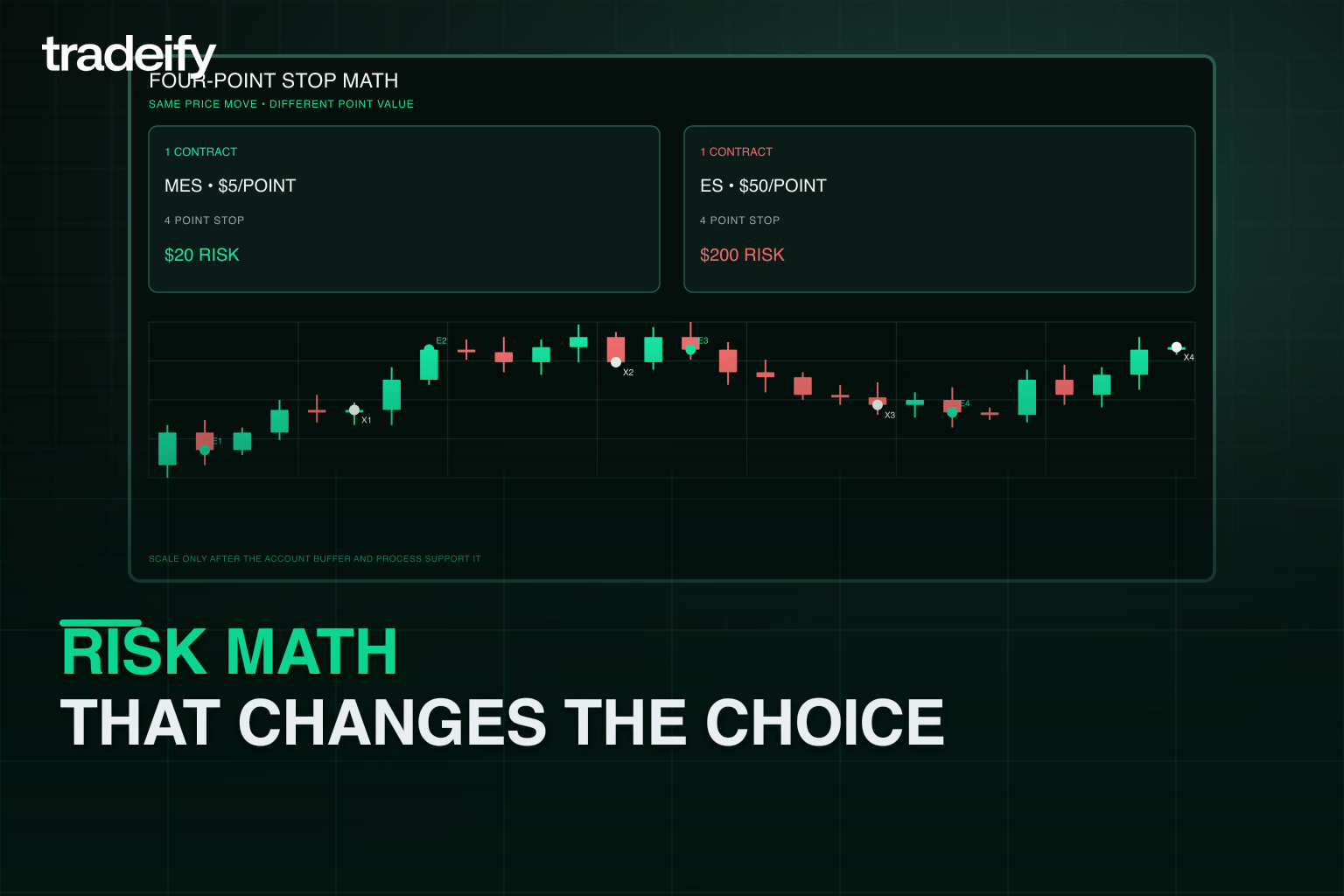
Contract size changes the dollar value of the same market move. A move that feels manageable in a micro contract can feel much larger in a mini contract.
- Micro example: on the CME Micro E-mini S&P 500 contract, each 0.25-point tick is $1.25, so a 4-point move is $20 per contract.
- Mini example: on the CME E-mini S&P 500 contract, each 0.25-point tick is $12.50, so a 4-point move is $200 per contract.
Before sizing up, make sure the larger contract still fits your stop distance, drawdown tolerance, and the way you actually execute. For a refresher on sizing risk inside leveraged products, review futures leverage.
Tradeify-Specific Considerations
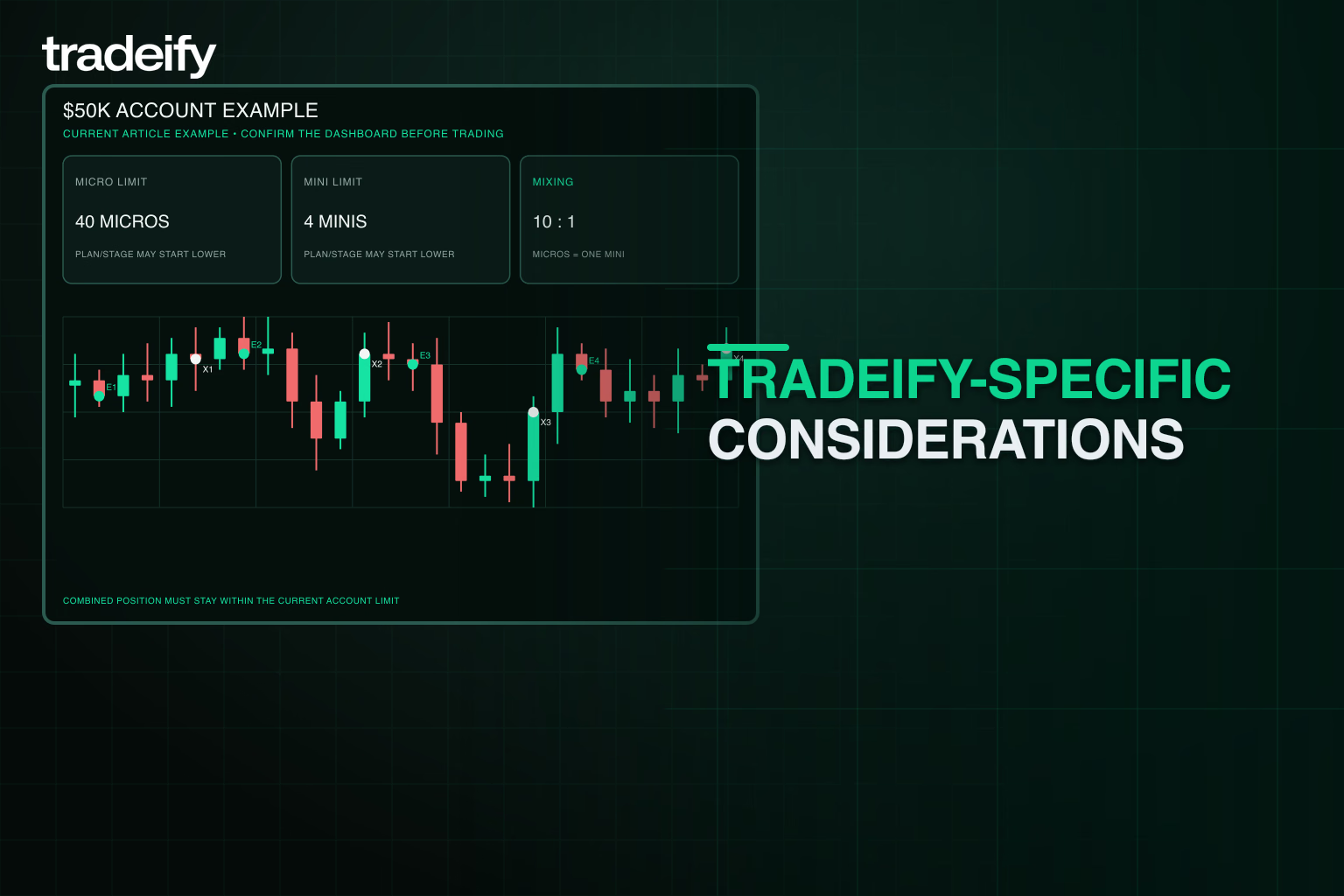
Once you know which contract type fits your risk model, verify the current Tradeify rules before placing size. The search query is broader than any one platform, so the comparison comes first and compliance details come second.
| Tradeify account rule | Current value |
|---|---|
| Allowed micro size for $50K account | Up to 40 micros (plan and funded stage may start lower) |
| Allowed mini size for $50K account | Up to 4 minis (plan and funded stage may start lower) |
| Contract-mixing rule | Minis and micros may be held together if the combined position stays within the account limit at 10 micros = 1 mini; opposing positions on the same or a correlated product are prohibited. |
| Funded-account scaling rule | Plan-specific. Select funded accounts start below the maximum and scale by end-of-day equity; other plans and legacy accounts can have different limits, so confirm the dashboard before trading. |
Use the relevant Tradeify pages to confirm those details before treating them as operational rules.
Strategy Fit in Practice

Micros help most when:
- You are controlling risk tightly
- You want flexibility in partial entries and exits
- You are still reducing execution mistakes
Minis help most when:
- You want larger exposure per contract
- Your strategy does not need small scaling steps
- Your account and discipline can absorb larger swings
Neither contract type is automatically better. The better choice is the one that keeps your position size aligned with the way you actually trade.
Micro vs Mini Futures FAQ
How many micros equal one mini?
In the CME equity index examples used here, one micro contract is one-tenth the size of the related E-mini contract, so 10 micros equal 1 mini in notional terms.
Which is better for beginners?
Micros are often easier to manage because each contract carries less dollar exposure, which gives newer traders more room to size carefully. That does not make them automatically better for every plan.
When should you move from micros to minis?
Move when your strategy is stable, your account buffer can handle larger swings, and the added exposure improves execution instead of increasing stress.
Do micros have enough liquidity for day trading?
That depends on the specific contract and your execution style. Before using micros for very tight scalping, check current spread and volume conditions in your platform for the market you trade.
What is the main advantage of minis?
More exposure per contract. Traders who do not need fine-grained scaling may prefer that efficiency.
What is the main advantage of micros?
Control. Micros let you take smaller risk increments and adjust position size more precisely.
Ready to compare your options in context? Explore Tradeify resources and confirm current account rules before trading.
.svg)
.svg)
.svg)
.svg)








.webp)