.svg)

.svg)

Risk reward ratio guide for futures traders, with calculators, trading styles, and a pre-trade checklist.


.svg)


Trading performance metrics that explain different parts of the same return stream, and why no single score proves a strategy works.

Run the streak calculator for your win rate, see normal losing and winning streak lengths, and stress-test account risk before a streak starts.

How do prop firm payouts work for futures traders? Tradeify payout speeds, Rise/Plane methods, KYC steps, and tax planning.

Why prop firm pass rates are hard to compare, what the denominator counts, and how to test your own edge instead of relying on a headline number.

Try the Sortino ratio calculator, work through downside deviation step by step, and compare Sortino with Sharpe on the same returns.

Intraday futures volatility mapped across 13 years of data, plus what intraday trading means, its tradeoffs, and a step-by-step walkthrough for funded accounts.
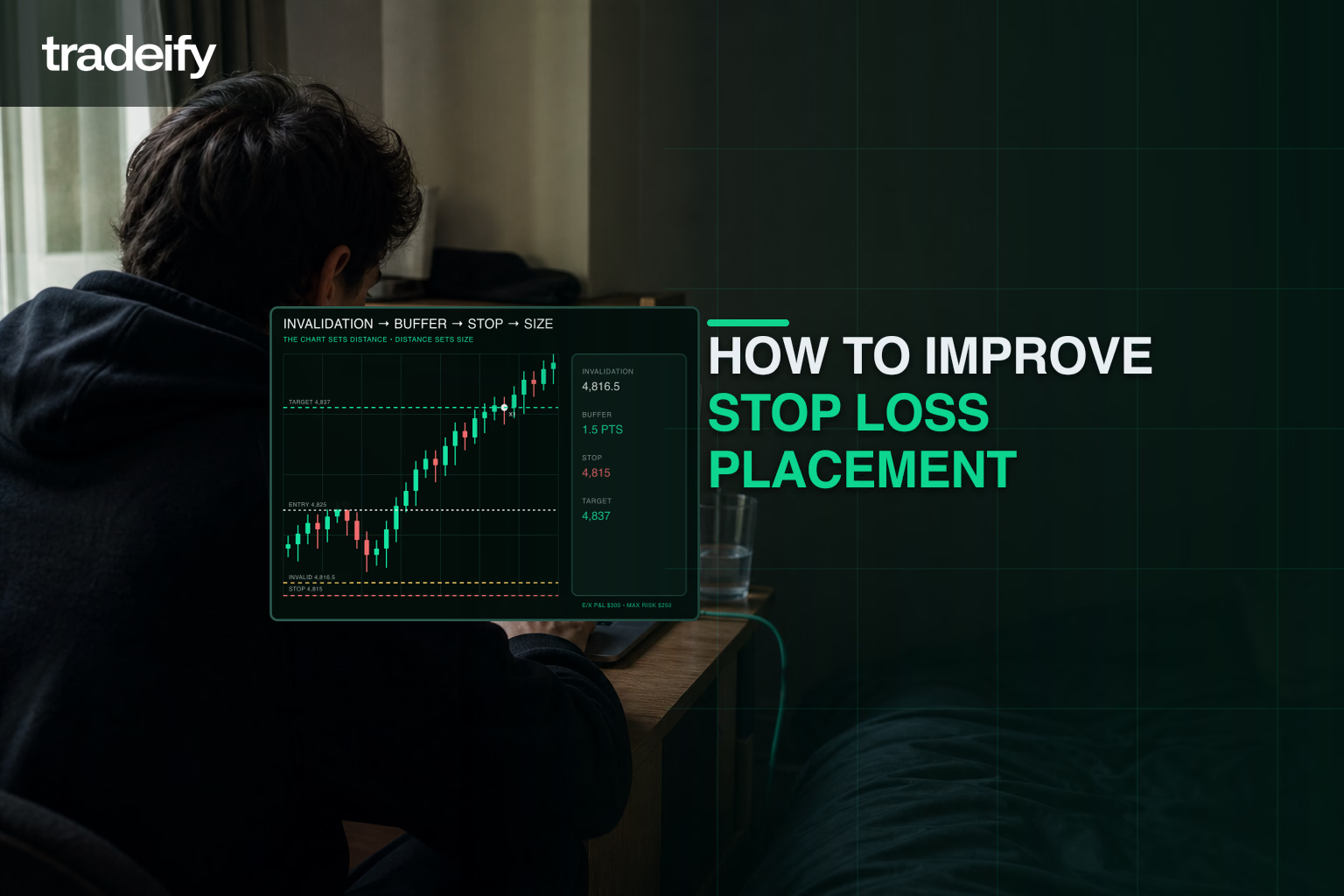
How to set a stop loss: invalidation levels, volatility buffers, order types, sizing from the stop distance, and a repeatable review process.
How to compare prop firms by usable drawdown, daily loss limits, static versus trailing floors, payout effects, and total account cost.
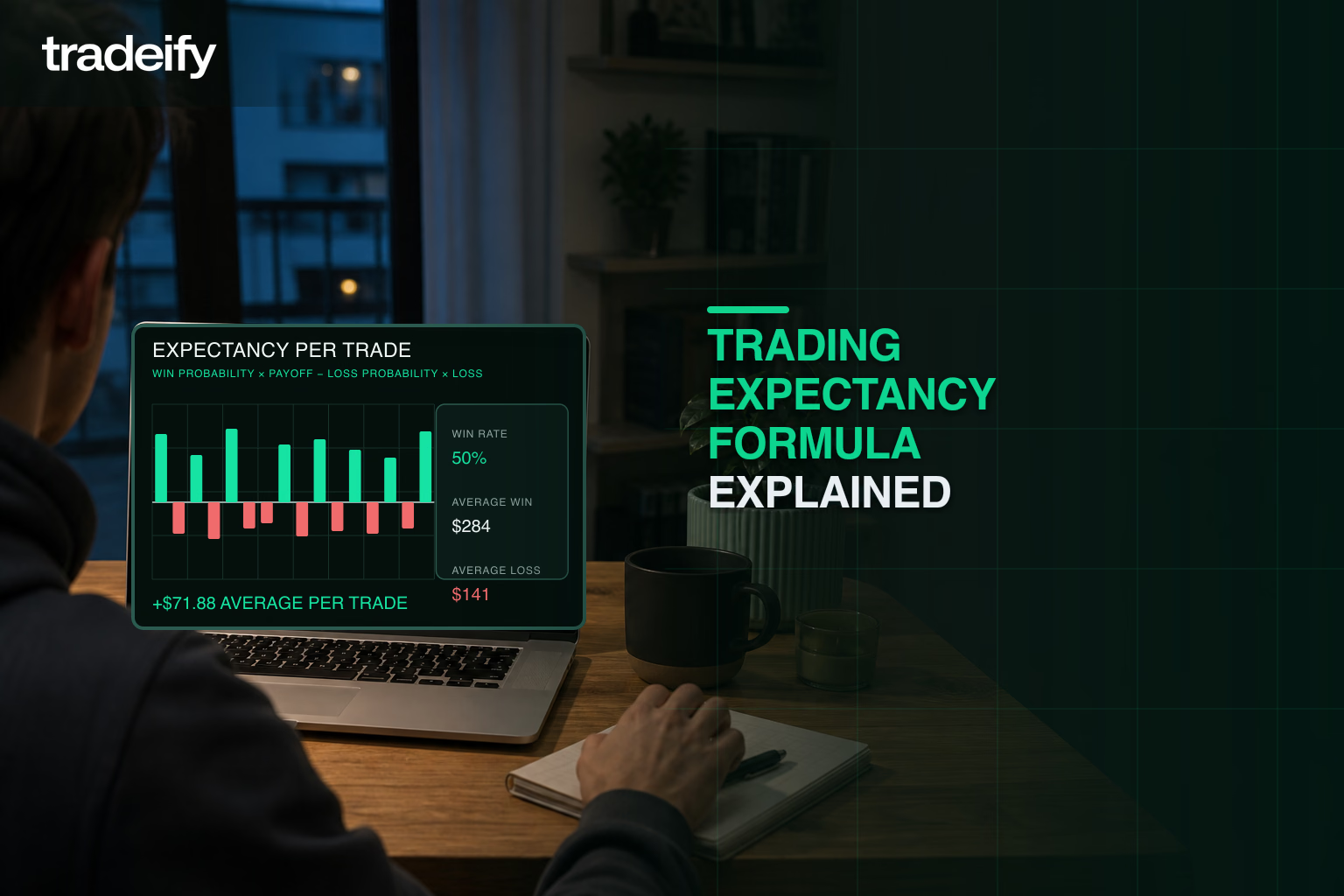
How to calculate trade expectancy, read the result in dollars or R-multiples, and avoid sample-size and trading-cost mistakes.

Tilt trading explained, with a reset checklist, warning signs, and a recovery plan for the next session.

What revenge trading looks like, why it happens after a loss, and the hard rules that stop it before it damages your account or funded evaluation.
Learn how to size prop firm trades from usable drawdown, set personal trade and daily loss limits, manage correlation, and reduce risk after losses.
Blown a trading account? Start with the first 24 hours, stabilize risk, review what happened, rebuild confidence, and only return live when your process is ready.
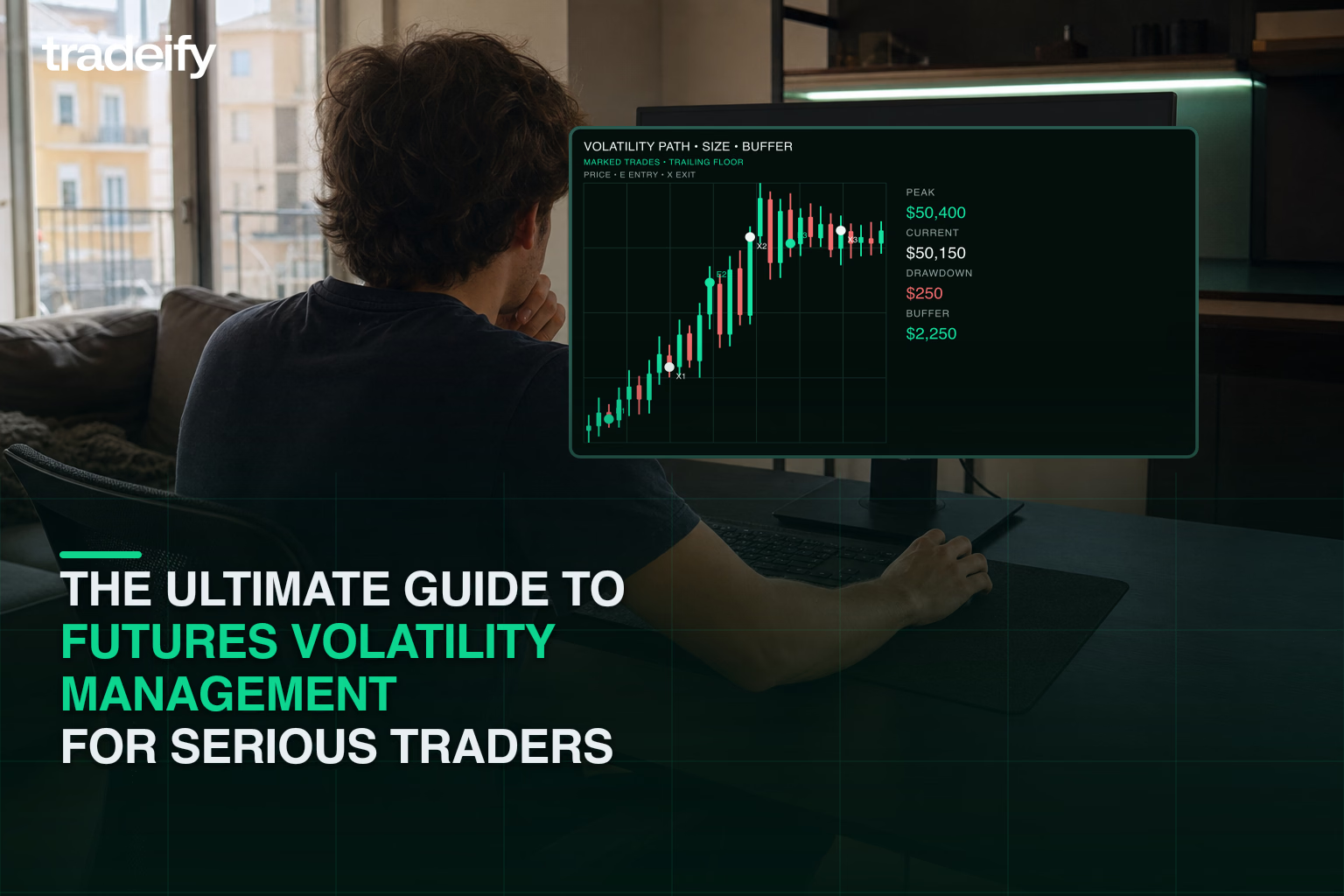
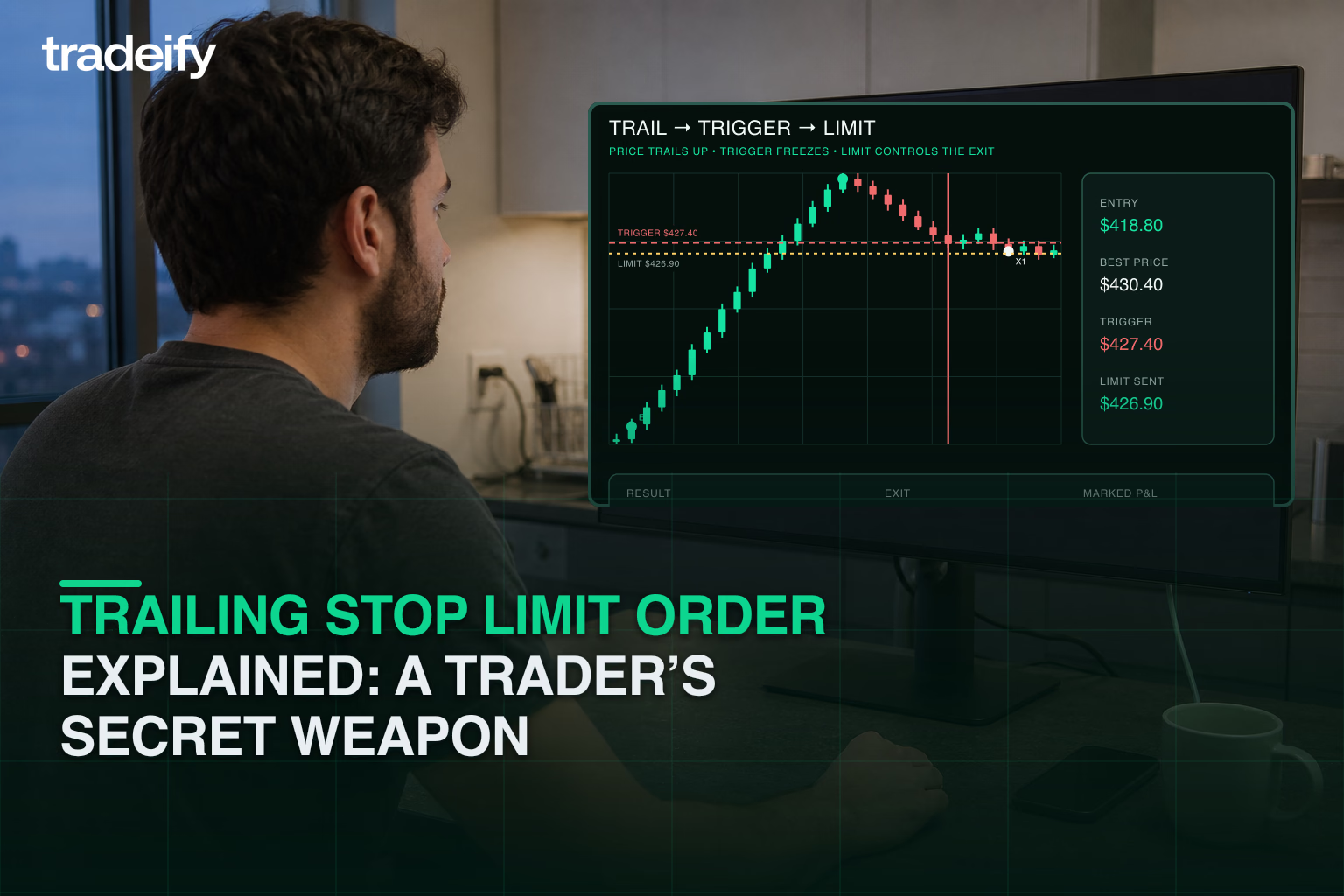
Learn how a trailing stop limit order works, how the trail and limit offset interact, and why gaps or low liquidity can leave the order unfilled.
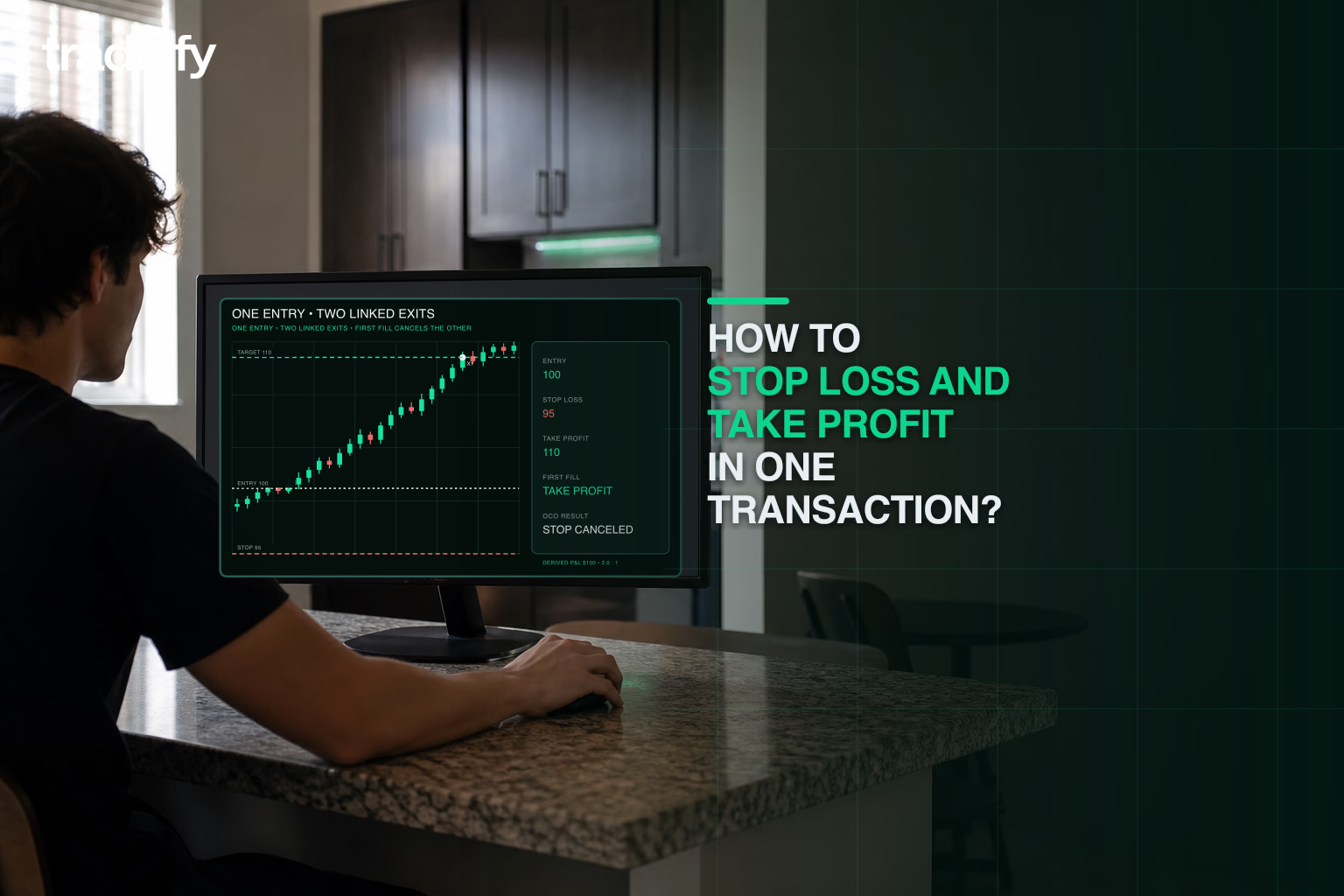
Stop-loss and take-profit orders are automated tools traders use to exit positions once predetermined price points are reached:

Learn how to win trading competitions by matching your risk, sizing, and strategy to the leaderboard format, prize curve, drawdown rules, and time remaining.

Compare prop firms with self-funded crypto trading across capital at risk, custody, rules, and payouts before choosing a path.
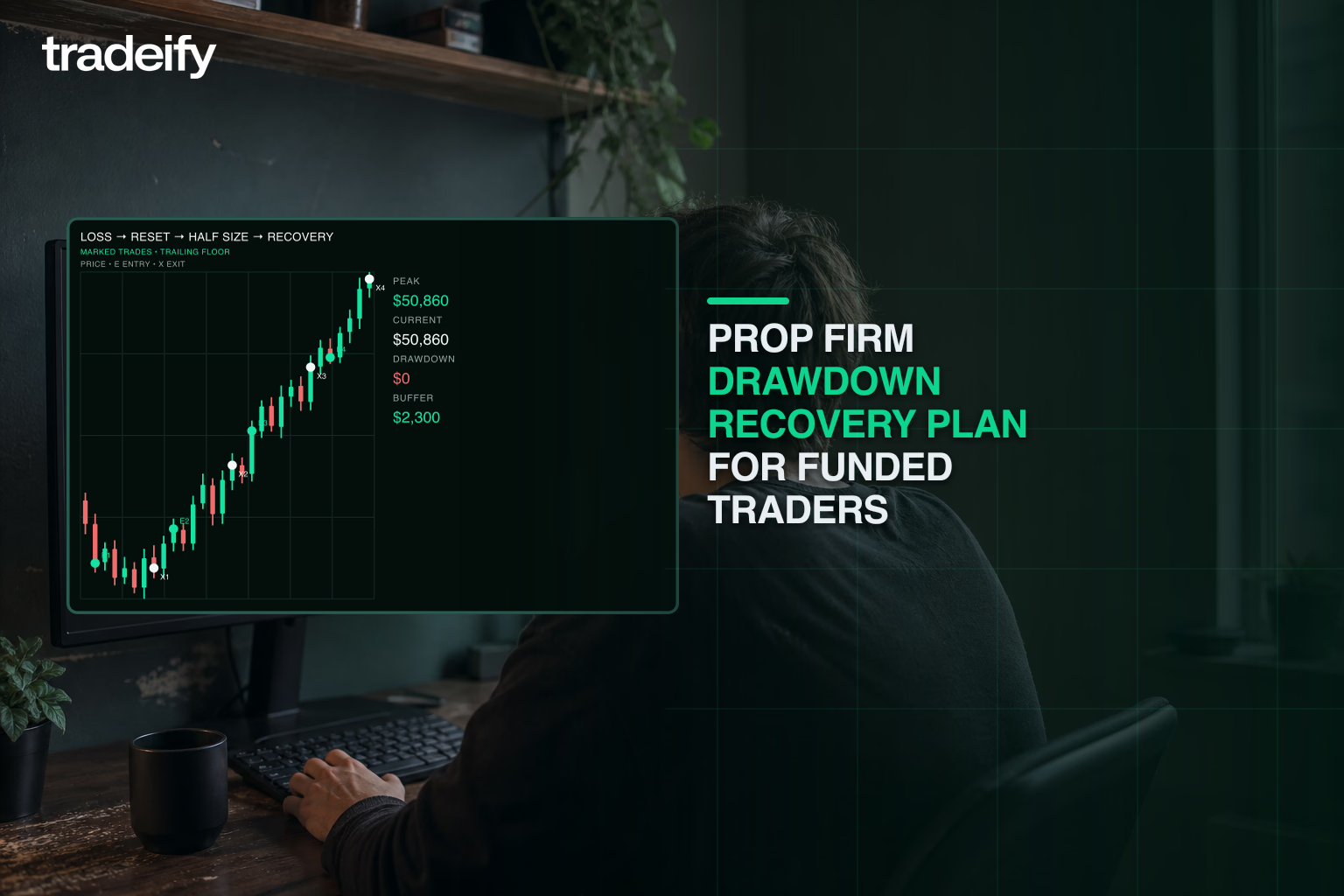
A three-phase recovery framework for funded futures traders covering psychological resets, forensic audits, tactical scaling, and drawdown lock milestones at Tradeify.

Funded trader psychology means staying process-driven under pressure. Compare funded vs personal trading, use checklists, and recover faster after losses.